Making Massage Education More Accessible Through Flexible Course Planning is written for students, spa therapists and wellness professionals who want practical guidance that fits the teaching scope of Nuad Thai School. The topic matters because access is created by clear course structure, flexible timing, honest expectations and training that can adapt to different student goals. A good article should help the reader make safer training decisions, not push an exaggerated promise.
Why This Topic Belongs In Training
Thai massage education is not only a list of movements. It combines culture, posture, pressure, client communication, hygiene, timing and the ability to stop or adapt when the situation changes. Students need language that is clear enough for the classroom and conservative enough for real clients.
At Nuad Thai School, the useful question is always practical: what should the student observe, how should the student place the body, what pressure is appropriate, and when should the student ask for guidance? This makes the article relevant to learning in Bangkok rather than a generic wellness text.
What Students Should Learn
- Private scheduling
- Beginner-friendly pathways
- Language and instruction support
- Matching duration to goals
These points give the student a checklist for practice. They also give the instructor a simple way to correct the session: slow down, adjust the angle, reduce force, improve communication, or choose a more suitable course path.
Safety, Consent And Scope
Flexible access comes from clear course choices, realistic timing and transparent expectations before practice begins.
Responsible training avoids cure claims, diagnosis and pressure to continue when the receiver is uncomfortable. When pain is sharp, symptoms are unexplained, the client is medically unsure, or the therapist is outside training scope, the correct answer is to pause and refer to an appropriate professional.
How Nuad Thai School Keeps The Topic Practical
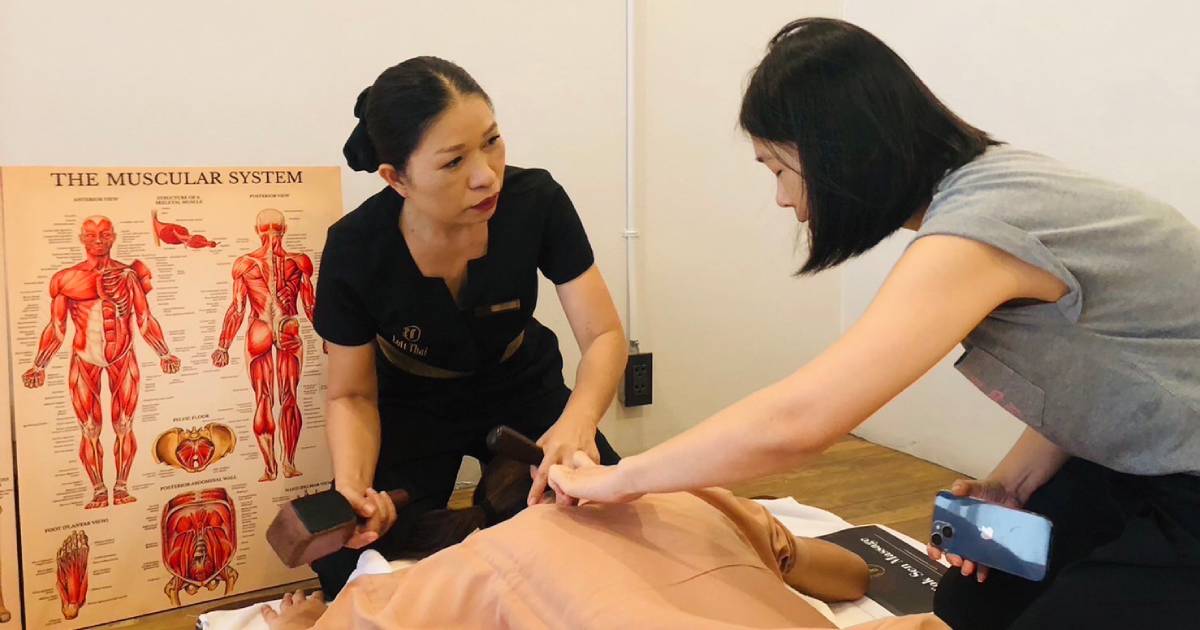
A private or professional class can turn the topic into demonstration, partner practice and direct correction. The student watches the instructor first, practices slowly, receives feedback, and then repeats the sequence with better posture and clearer intention.
Readers who want supervised practice can compare the <a href="/courses/">Courses Listing</a>. The course path is the safest way to move from reading to hands-on skill because an instructor can correct pressure, body mechanics and communication in real time.
Frequently Asked Questions
Is this article a medical treatment guide?
No. It is an educational guide for massage training and wellness practice. Medical questions should be handled by qualified health professionals.
Can beginners use this information?
Yes, as orientation. Beginners should keep pressure simple, avoid advanced techniques and learn with instructor supervision when the topic involves safety decisions.
What is the best next step?
Choose a course that matches the goal, then practice under supervision. For many students, the best starting point is the <a href="/courses/">Courses Listing</a>.