学生の質問
Questions before booking.
This FAQ expands the original Nuad Thai School questions into a clearer guide for international students, beginners, spa professionals and travelers comparing massage training in Bangkok.
Course choice
証明書
Prices and booking
Category 01
General Information
Nuad Thai School とは何ですか?
Nuad Thai School is a Bangkok massage academy operated by Loft Thai Spa, created for students who want practical Thai massage and spa treatment training in a real wellness environment. The school teaches private courses, professional pathways, group sessions and couples workshops. Students can start with the full course list or read more about the training philosophy on the about the school page before choosing a format.
Where is Nuad Thai School located?
Nuad Thai School teaches in Bangkok, Thailand, with training connected to Loft Thai Spa locations around Sukhumvit. The current footer lists Sukhumvit soi 71 and Sukhumvit soi 22 as school locations, and the team confirms the exact venue when your booking is arranged. If you need directions, transport advice or want to check the best location for your selected class, use the contact page before making travel plans.
What makes the school different from a normal spa course?
The main difference is the balance between hands-on correction, Thai massage tradition and real spa standards. Students do not only watch a demonstration; they practice the sequence, adjust body mechanics, learn pressure control and receive direct feedback. The school is linked to Loft Thai Spa, so the teaching is grounded in professional client care. The Nuad Thai School method page explains the practical approach in more detail.
Can I visit the school before enrolling?
Prospective students can ask to visit before enrolling, especially if they are already in Bangkok and want to see the training environment, ask questions or compare course formats. Visits should be scheduled in advance because instructors may be teaching private sessions and the team needs to avoid interrupting students in class. Send your preferred day, course interest and language needs through the contact page so the school can confirm a suitable time.
Category 02
Courses And Learning Path
What courses do you offer?
Nuad Thai School offers Traditional Thai Massage, Professional Thai Massage, Thai Warrior Massage, foot reflexology, facial treatment, aroma oil massage, hot stone, herbal compress, Tok Sen, bamboo massage, prenatal massage, office syndrome, cupping therapy, sport massage and more. There are also couples and group formats. The easiest way to compare the full offer is to open all massage courses, then use the individual course pages to check level, duration, certificate and price.
Do I need prior massage experience to join?
No previous massage experience is required for many beginner-friendly courses. The instructor can slow down, explain the foundations and focus on posture, safe pressure, client comfort and treatment order. Students with experience can usually move faster and use the course to refine technique, rhythm or professional application. If you are unsure, compare the beginner private course with the longer professional pathway on the course overview before requesting a schedule.
How do I choose the right course duration?
Course duration depends on your goal. A half-day format can introduce a focused technique, a full-day session gives more time for supervised practice, and two-day or custom programs are better for repetition and confidence. The 150-hour professional program is a separate commitment for students seeking a deeper certification path. Start with the pricing and duration page, then contact the school with your background, available dates and desired outcome.
Are courses private, group-based or both?
Most course pages focus on private training because private dates are easier to adapt around your travel schedule, skill level and language needs. Group sessions are also available when students want a shared learning environment with structured demonstrations and supervised practice. Couples can book a dedicated workshop designed for two people. You can compare these formats through group sessions, couples workshops and the private course pages.
What languages are the courses taught in?
Courses can normally be arranged in English or Thai, depending on the format and instructor availability. Because massage training is visual and practical, the instructor combines verbal explanation with demonstration, guided practice and direct corrections. If English or Thai is not comfortable for you, mention your language needs before booking. The team can tell you what support is realistic for the selected course and schedule.
プライベート講座に通訳を付けられますか?
はい。バンコクでの対面プライベート講座に、フランス語、中国語(普通話)、日本語、ロシア語、スペイン語、ドイツ語、イタリア語の通訳を申し込めます。追加料金は受講者1名につき半日3,000 THB、1日6,000 THB、2日12,000 THBです。手配可否は学校が確認します。
Category 03
Enrollment And Preparation
How can I enroll in a course?
To enroll, choose the course that matches your goal and send a request with the course name, preferred dates, number of students, language needs and current experience level. The team then confirms availability, training format, location, payment steps and any preparation details. You can start from the コースカタログ or go directly to the booking form if you already know what you want.
What should I share before booking?
Before booking, share your main objective, previous massage or spa experience, preferred dates, number of students, language preference and any physical limitations that may affect practice. This helps the school recommend the right duration and adapt the training safely. If you are traveling to Bangkok, include your arrival window and whether you need morning, afternoon or multi-day scheduling. More context usually leads to a better course recommendation.
What are the age requirements for enrolling?
Students should generally be at least 18 years old to enroll in hands-on massage training. This keeps the class appropriate for professional bodywork practice, client communication and physical safety. If you are booking for a younger participant, contact the school first rather than assuming a place is available. Some lighter educational or couples-style formats may be discussed case by case, but the standard training pathway is built for adult learners.
What should I wear or bring to class?
Wear comfortable clothing that lets you move, kneel, stretch, stand and practice without restriction. Bring a notebook or phone notes for sequencing details, posture cues and safety reminders. The school provides the training environment and course-specific materials, but it is still useful to arrive hydrated, rested and ready for practical correction. If your course uses oil, stones, herbs, cups or tools, the team will explain any special preparation before class.
Do you offer online courses?
Most Nuad Thai School courses are taught in person because Thai massage and spa training depend on pressure, posture, body mechanics and supervised correction. The school has an online live course option for students who need remote guidance, but hands-on learners usually benefit most from being in Bangkok with an instructor. For remote possibilities, review the online live course page and ask what can realistically be taught at distance.
Category 04
Certification And Career
Are your courses certified?
Certificate options depend on the course. Many private short courses include a Nuad Thai School certificate after completion, while the Professional Thai Massage Course is the main UTTS certification pathway listed in the current course data. If certification is your priority, check the certificate field on the course page before booking. The プロのタイ古式マッサージコース is the best starting point for students seeking the deeper certified route.
Will I receive a certificate upon completion?
Yes, when the selected course includes a certificate and you complete the agreed training requirements, the school can issue the relevant certificate. Short private courses generally reference a school certificate, while professional training may involve assessment preparation and UTTS-related requirements. A certificate is useful for showing attendance and study, but the practical value comes from supervised technique, safety understanding and continued practice after class.
Is the certificate recognized internationally?
Thai massage certificates can support your professional profile, but acceptance depends on the country, employer, insurer, spa license rules and the exact course completed. The old FAQ highlighted UTTS and Thai education recognition for certified training; on the new site, the safest answer is to confirm the certificate type for your chosen course. If you need documentation for work abroad, ask the school in advance what the certificate states.
What career opportunities are available after training?
Graduates can use their training for spa work, private practice development, wellness business projects, staff upskilling or adding a new treatment to an existing menu. Results depend on your previous experience, practice hours, local regulations and how deeply you train after the course. For a stronger professional foundation, compare short private modules with the 150-hour professional program and review student outcomes through the の声 page.
Do you provide job placement assistance?
The school does not present itself as a direct job placement agency, but it can guide students on training direction, professional presentation and realistic next steps in the spa and wellness industry. Students who already work in a spa can use the course to improve their service menu, while new students should treat training as the beginning of a longer practice path. For career-focused goals, explain your objective clearly before enrollment.
Category 05
Costs, Payments And Facilities
How much do the courses cost?
Prices vary by course, duration, format and certification pathway. Short private sessions usually start from the listed half-day price, full-day and two-day formats cost more, and custom multi-day or professional programs require more planning. The most reliable current overview is the course pricing page, which lets you compare massage course prices and durations before opening individual course pages for deeper detail.
Are there any additional costs?
Course fees normally cover the training format, instruction, practical support and the certificate option listed for that course. Accommodation, meals, personal travel, visas, insurance and extra custom hours are separate unless the school confirms otherwise in writing. Some advanced or custom programs may have special requirements, so ask for a clear summary before paying. The team can also explain whether materials, practice models or equipment are included for your chosen course.
What payment methods do you accept?
The previous FAQ mentioned bank transfer, credit card and PayPal as payment options. For the new staging site, it is best to treat payment as confirmed during booking because available methods can depend on the course, student location and timing. After you submit a request, the team can send the current payment process, deposit expectations and any receipt details. Use the booking form rather than sending payment without confirmation.
Do you offer discounts or promotions?
Promotions may be offered from time to time, especially for selected dates, multiple students, group requests or longer training plans. Discounts are not guaranteed, so students should check current availability directly instead of relying on old website offers. If you are comparing several courses or booking for a team, explain your situation through the booking form. The team can then confirm whether any suitable promotion applies.
Do you provide accommodation or meals?
Accommodation and meals are not presented as standard inclusions in the course fees. The old FAQ said the school can assist with accommodation suggestions, and that remains a helpful direction for students traveling to Bangkok. Ask early if you need nearby hotel guidance, because location, budget and transport preferences matter. Meals are usually handled independently, but the team can advise on nearby options around the confirmed training location.
What facilities are available at the school?
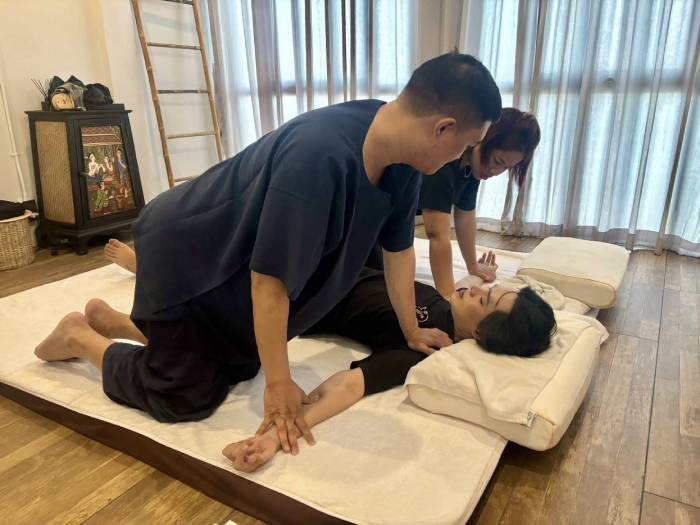
Training takes place in a professional massage school and spa-connected environment with space for demonstrations, supervised practice and course-specific equipment. Depending on the course, this may include mats, treatment beds, spa products, practice tools, foot massage materials, facial equipment or other relevant supplies. To understand the atmosphere before booking, view the training gallery and individual course pages, because visuals often answer practical facility questions faster than text alone.
Need a direct answer?
Share your dates, level and goal.
The team can recommend the right course duration, certificate path and training format once they understand your background and schedule.
Send the essentialsCourse name, preferred dates, student count and current massage experience.