

Learning Thai massage in Thailand offers more than just classroom instruction—it’s an immersive cultural experience. Beyond techniques and theory, students gain insight into Thailand’s rich heritage, wellness philosophies, and traditional healing practices, which greatly enrich their understanding and mastery of massage.
This guide explores why cultural immersion is a critical component of authentic Thai massage training.
Understanding the Origins of Thai Massage
Thai massage, or Nuad Thai, has roots in ancient healing traditions, influenced by Ayurveda, Buddhism, and local folklore:
- Historical context: Learning about the origins provides insight into the philosophy behind the techniques.
- Cultural significance: Students appreciate how massage connects to spiritual and daily life in Thailand.
- Respect for tradition: Understanding rituals and etiquette reinforces the discipline required in practice.
Immersing yourself in Thai culture ensures a deeper appreciation for the art and purpose of Nuad Thai.
Learning Through Observation in Everyday Life
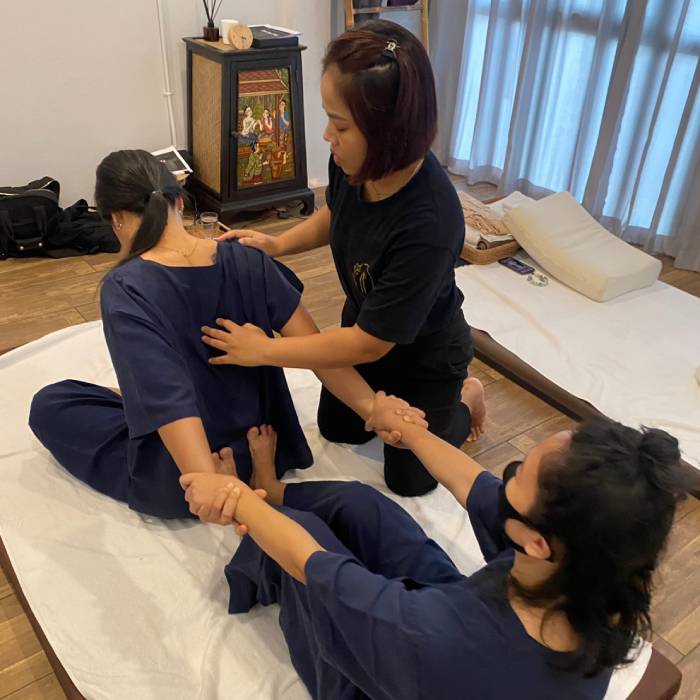
Cultural immersion goes beyond structured lessons:
- Spas and wellness centers: Observing local therapists at work offers practical learning opportunities.
- Traditional ceremonies: Exposure to Thai rituals highlights the holistic connection between mind, body, and spirit.
- Community engagement: Interacting with locals teaches appropriate gestures, etiquette, and client interactions.
Observational learning helps students internalize cultural nuances that influence massage practice.
Hands-On Practice with Authentic Techniques
Authenticity is reinforced through immersive hands-on training:
- Partner practice: Students work closely with peers under guidance from experienced Thai instructors.
- Sen line understanding: Cultural context helps explain the philosophy behind energy pathways and acupressure points.
- Integration of herbs and oils: Traditional Thai remedies and compresses are incorporated into treatments.
- Real-world scenarios: Practice in local wellness centers exposes students to professional standards.
This approach ensures that students develop skill, confidence, and cultural understanding simultaneously.
Embracing Thai Wellness Philosophy
Cultural immersion teaches students how Thai philosophy informs massage practice:
- Holistic perspective: Body, mind, and spirit are viewed as interconnected.
- Mindfulness in practice: Techniques emphasize meditation, focus, and intention.
- Energy flow principles: Understanding Sen lines and balance aligns with Thailand’s traditional wellness concepts.
Learning philosophy in context deepens the effectiveness and authenticity of treatments.
Culinary and Lifestyle Exposure
Living in Thailand enriches the learning experience outside the classroom:
- Thai cuisine: Nutritional practices complement wellness teachings.
- Daily routines: Observing local lifestyles and rhythms informs holistic approaches to client care.
- Cultural festivals: Participation in festivals and traditions builds appreciation for Thailand’s cultural richness.
This lifestyle immersion enhances overall understanding of the wellness culture that Thai massage originates from.
Building Connections with Local Instructors and Peers
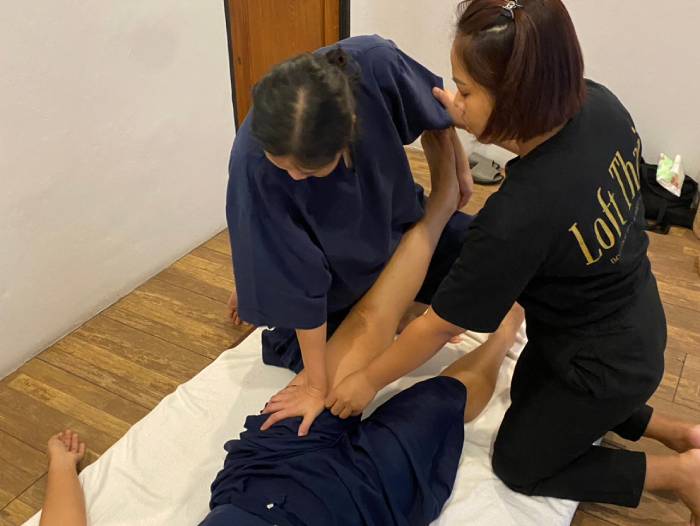
Cultural immersion also fosters meaningful relationships:
- Mentorship: Experienced instructors provide guidance rooted in cultural understanding.
- Peer learning: Students from around the world share techniques, perspectives, and feedback.
- Professional networking: Connections can lead to internships, employment, or collaborations globally.
These relationships enrich the learning journey and open doors for future opportunities.
Advantages of Cultural Immersion for Certification and Career
Students who fully embrace cultural immersion gain distinct advantages:
- Enhanced skill retention: Understanding the cultural context reinforces technique mastery.
- Authentic credentials: Training in Thailand is respected worldwide for authenticity.
- Client confidence: Graduates demonstrate deeper knowledge and cultural sensitivity.
- Global employability: Schools with immersive programs produce graduates capable of teaching or practicing internationally.
Immersion transforms training from simple skill acquisition into a comprehensive, culturally-informed experience.
Conclusion
Cultural immersion is an indispensable part of Thai massage training in Thailand. Beyond learning techniques, students gain insight into tradition, philosophy, and lifestyle, which enriches their practice and prepares them for global careers in wellness.
By stepping beyond the classroom, aspiring therapists not only master authentic Nuad Thai techniques but also experience the essence of Thai culture, making their training truly transformative and holistic.