
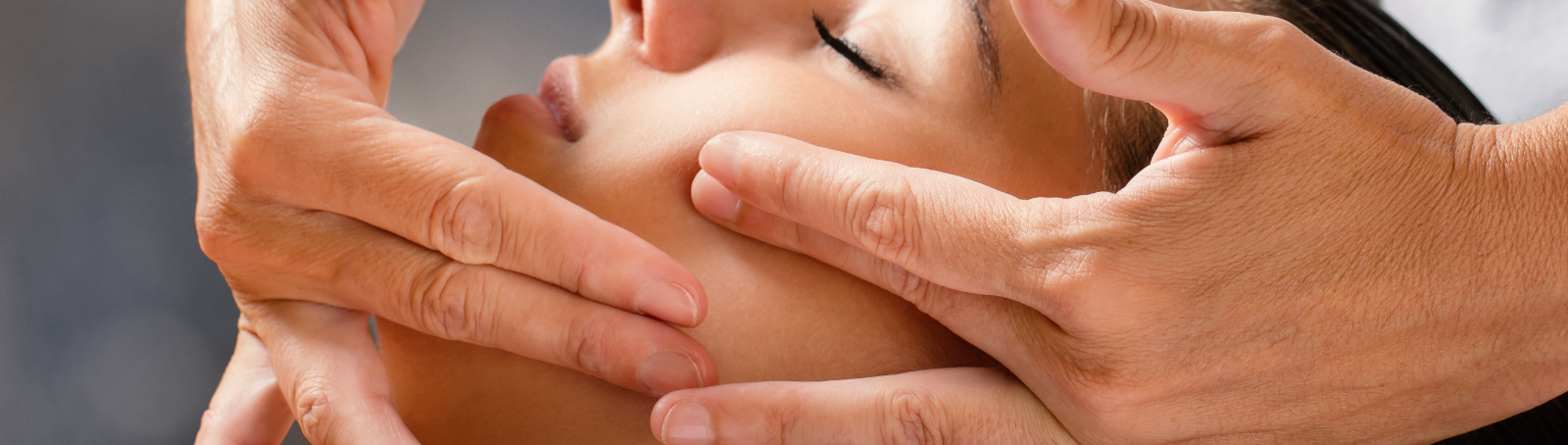
Facial massage is a powerful technique that combines relaxation, rejuvenation, and therapeutic benefits. Whether in a spa or at home, these techniques improve circulation, relieve tension, and enhance the appearance and health of the skin.
This guide explores the key facial massage techniques, their benefits, and best practices for safe and effective treatments.
Benefits of Facial Massage
Facial massage offers numerous advantages for both the skin and overall wellness:
- Improved circulation: Increases blood flow to nourish skin cells.
- Lymphatic drainage: Helps remove toxins and reduce puffiness.
- Muscle relaxation: Relieves tension in jaw, forehead, and neck muscles.
- Enhanced skin tone: Promotes a natural, healthy glow.
- Stress reduction: Soothes the nervous system and promotes relaxation.
- Anti-aging effects: Reduces the appearance of fine lines and wrinkles.
Regular facial massage supports both beauty and holistic well-being.
Preparation for Facial Massage
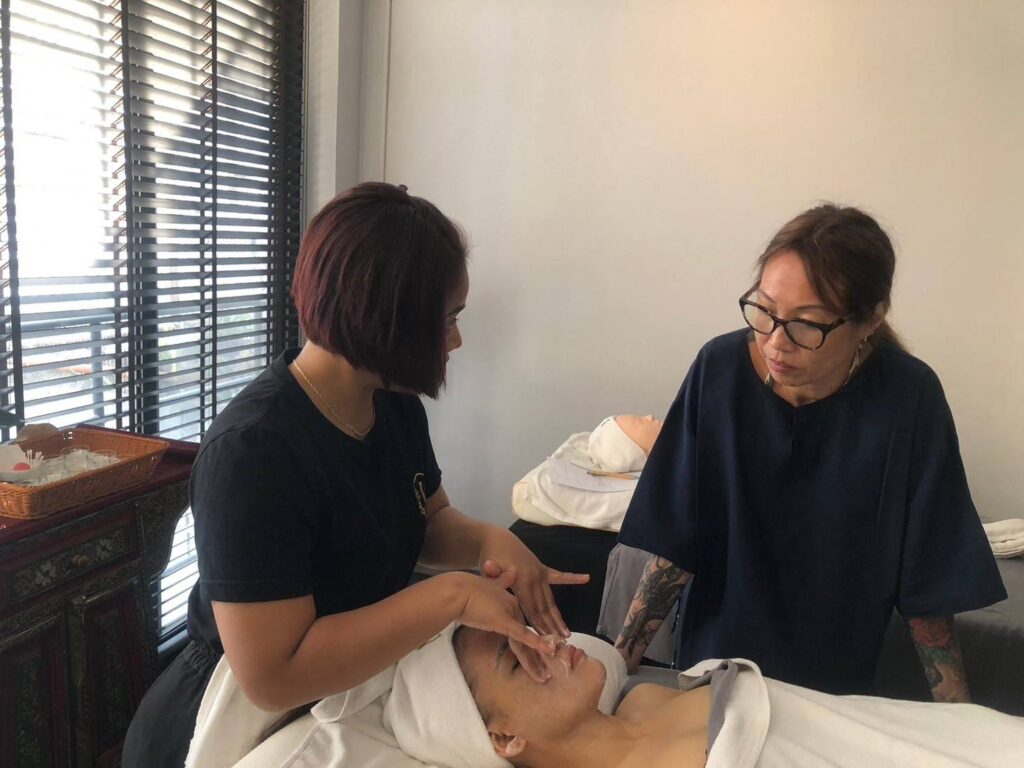
Proper preparation ensures comfort, safety, and effectiveness:
- Cleanse the skin: Remove makeup, dirt, and impurities.
- Use facial oils or creams: Provide slip and nourishment for smooth movements.
- Warm hands: Enhances comfort and improves circulation.
- Set a calming environment: Soft lighting, soothing music, and a relaxed space.
Preparation ensures a therapeutic and enjoyable experience.
Basic Facial Massage Techniques
Therapists use a combination of movements for optimal relaxation and rejuvenation:
- Effleurage: Long, gentle strokes along the face and neck to stimulate circulation.
- Petrissage: Gentle kneading to relax muscles and release tension.
- Tapping or tapotement: Light tapping stimulates nerves and awakens facial tissues.
- Friction: Small circular movements on problem areas like the jawline or forehead.
- Lymphatic drainage strokes: Encourage fluid movement and reduce puffiness around eyes and cheeks.
Mastering these techniques ensures effective, safe, and soothing results.
Target Areas for Maximum Benefit
Focusing on specific facial zones enhances results:
- Forehead: Relieves tension and smooths lines.
- Eyes and brow area: Reduces puffiness and tension around the eyes.
- Cheeks and jawline: Improves circulation and relaxes muscles from stress or grinding.
- Neck and décolletage: Encourages lymphatic drainage and overall relaxation.
- Temples: Relieves headaches and promotes calmness.
Attention to these areas supports rejuvenation and overall facial wellness.
Techniques for Different Skin Goals
Facial massage can be customized based on client needs:
- Rejuvenation: Focus on effleurage and petrissage to boost circulation and collagen production.
- Relaxation: Gentle strokes, temple and neck massage, and slow breathing techniques.
- Detoxification: Lymphatic drainage and targeted pressure to reduce puffiness.
- Anti-aging: Stimulate muscles and enhance elasticity through controlled lifting and kneading.
Personalized techniques enhance client satisfaction and effectiveness.
Professional Best Practices
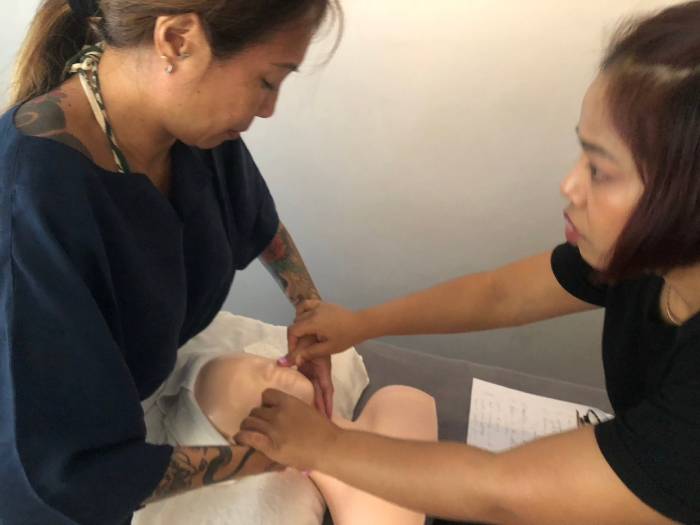
Therapists should follow professional guidelines for safety and efficacy:
- Assess skin type and sensitivity: Adjust pressure and techniques accordingly.
- Maintain hygiene: Clean hands, tools, and linens to prevent infection.
- Use appropriate products: Oils or creams suited to client’s skin type.
- Monitor client comfort: Adjust pressure and technique based on feedback.
- Educate clients: Offer tips for at-home facial massage and maintenance.
Best practices ensure safe, effective, and enjoyable treatments.
Incorporating Facial Massage into Wellness Programs
Facial massage can be integrated into spas, wellness centers, or home routines:
- Spa packages: Combine with facials, aromatherapy, or massage for full relaxation.
- Wellness programs: Include as part of stress reduction and holistic health treatments.
- Couples or group sessions: Promote shared relaxation experiences.
- Home self-care: Simple techniques can maintain benefits between professional sessions.
Integration supports long-term skin health and overall wellness.
Conclusion
Facial massage is a holistic practice that rejuvenates the skin, relaxes muscles, and promotes well-being. By mastering techniques like effleurage, petrissage, and lymphatic drainage, therapists can provide clients with a luxurious and restorative experience.
Whether in a professional spa setting or for personal care, facial massage enhances both beauty and health, creating a lasting impact on skin, mind, and body.