

Oil massage is a timeless practice that enhances traditional massage techniques with the therapeutic benefits of essential oils. By combining massage movements with aromatherapy, therapists can relieve muscle tension, promote relaxation, and improve overall wellness.
This guide explores the techniques, benefits, and best practices for incorporating oils into massage therapy, creating a holistic spa experience.
The History and Tradition of Oil Massage
Oil massage has roots in ancient healing traditions across Asia and the Middle East:
- Ayurveda: Uses warm oils to balance body energies and promote detoxification.
- Traditional Thai practices: Incorporate Thai herbs and oils for enhanced healing.
- Holistic wellness: Oil massage combines physical manipulation with mental relaxation.
Understanding the historical context enriches the practice and helps therapists apply techniques authentically.
Benefits of Combining Massage with Aromatherapy
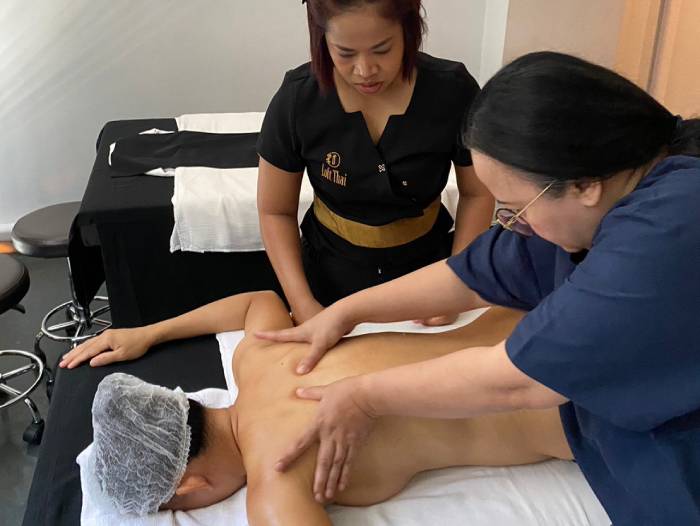
Integrating essential oils into massage offers both physical and mental advantages:
- Muscle relaxation: Oils help lubricate the skin for smooth, deep strokes.
- Stress reduction: Aromatic compounds stimulate the olfactory system, calming the mind.
- Improved circulation: Massage movements with oils enhance blood flow and lymphatic drainage.
- Skin nourishment: Oils provide hydration, improve elasticity, and soothe irritation.
- Holistic wellness: Combines body, mind, and sensory experience for complete relaxation.
The dual effect of touch and scent elevates the massage beyond simple muscle relief.
Choosing the Right Oils
Selecting the appropriate oils is crucial for an effective session:
- Carrier oils: Coconut, jojoba, almond, or sesame oil form the base for essential oils.
- Essential oils: Lavender, eucalyptus, lemongrass, or chamomile provide aromatherapy benefits.
- Skin sensitivity: Test small amounts to avoid allergic reactions.
- Blending: Combine carrier and essential oils in safe ratios for optimal therapeutic effect.
Proper selection ensures a safe, soothing, and enjoyable experience for clients.
Core Oil Massage Techniques
Therapists use specific movements to maximize the benefits of oils:
- Effleurage: Long, gliding strokes to warm muscles and spread oils evenly.
- Petrissage: Kneading and rolling motions to release tension and improve circulation.
- Friction: Targeted pressure on knots and tight muscles for relief.
- Tapotement: Gentle tapping to stimulate nerves and refresh energy.
- Stretching: Combined with oil massage to enhance flexibility and relaxation.
Mastery of these techniques ensures effective and professional treatment.
Integrating Aromatherapy into Oil Massage
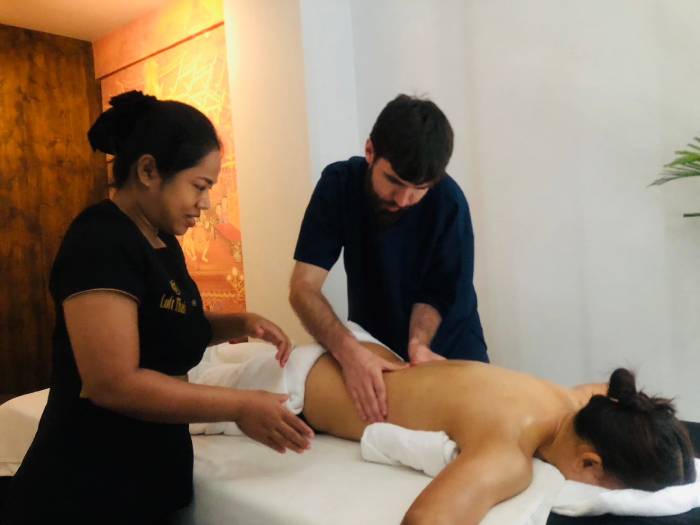
Aromatherapy enhances massage therapy by engaging the senses:
- Customized blends: Choose scents that align with client needs (relaxation, energizing, or detoxifying).
- Diffusion techniques: Use oils in diffusers, warm towels, or massage oils for sensory impact.
- Mindful application: Encourage deep breathing to fully experience the aromatic benefits.
- Therapeutic focus: Adjust massage movements according to desired emotional or physical outcomes.
Proper integration creates a calming, restorative environment for clients.
Training and Best Practices for Therapists
Professional training ensures safe and effective oil massage:
- Anatomy knowledge: Understand muscle groups, pressure points, and circulation patterns.
- Techniques mastery: Practice effleurage, petrissage, friction, and other oil massage movements.
- Aromatherapy education: Learn about essential oil properties, blending, and contraindications.
- Client assessment: Identify needs, preferences, and sensitivities before treatment.
- Hygiene and sanitation: Maintain clean tools, linens, and oils for safety and comfort.
Proper training ensures high-quality, authentic, and therapeutic experiences.
Creating a Holistic Spa Experience
Oil massage with aromatherapy can enhance overall spa offerings:
- Signature treatments: Develop unique oil blends and massage sequences.
- Wellness packages: Combine with herbal compresses, facials, or Thai stretching.
- Ambiance: Use lighting, music, and scents to create a tranquil environment.
- Client education: Teach clients the benefits of oils and how to extend relaxation at home.
This approach promotes client satisfaction, loyalty, and wellness outcomes.
Conclusion
Oil massage techniques, when combined with aromatherapy, offer a harmonious blend of tradition, relaxation, and therapeutic benefits. By selecting appropriate oils, mastering movements, and integrating sensory elements, therapists can deliver a holistic and transformative experience.
For wellness practitioners and spa owners, embracing oil massage enhances client satisfaction, promotes overall health, and elevates traditional massage practices into a luxurious, restorative journey.