
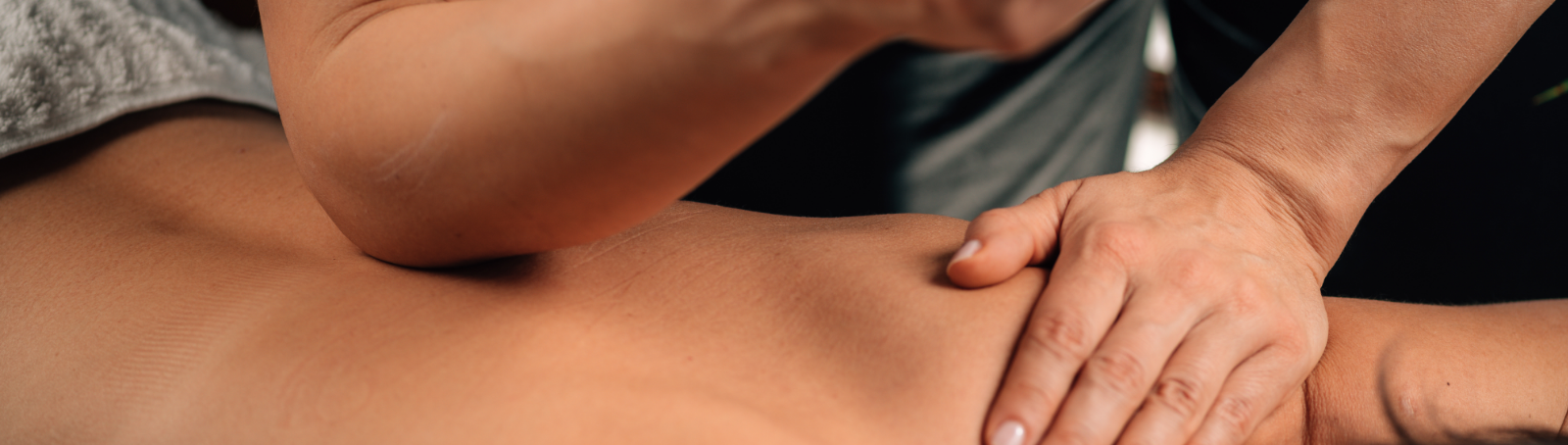
Thai massage is a centuries-old practice that blends physical therapy, energy work, and mindfulness into a single, holistic experience. Unlike conventional massages that focus solely on muscle relief, Thai massage is a full-body healing tradition that aims to restore balance, flexibility, and vitality.
Rooted in Thai culture and influenced by Ayurveda and Buddhist medicine, Thai massage is recognized not just as a spa treatment, but as a living wellness tradition.
The History of Thai Massage
Thai massage, or Nuad Thai, traces back over 2,500 years and is traditionally credited to Jivaka Kumar Bhaccha, the physician of the Buddha. Passed down through generations of Thai monks and healers, it combines techniques from ancient Indian and Chinese medicine.
Originally practiced in temples, Thai massage was designed to promote spiritual, mental, and physical well-being, making it both a healing art and a meditative practice. Today, it remains a cornerstone of Thailand’s wellness culture and a globally sought-after therapy.
How Thai Massage Works: The Energy Lines
Central to Thai massage is the concept of Sen lines — invisible pathways through which life energy flows. Blockages along these lines are believed to cause tension, fatigue, and discomfort.
During a session, therapists use hands, elbows, knees, and feet to:
- Apply rhythmic pressure along Sen lines
- Stretch muscles and joints
- Release tension and restore energy balance
This combination of stretching and acupressure helps improve circulation, flexibility, and overall vitality.
The Unique Techniques of Thai Massage
Thai massage is often called “passive yoga”, as it incorporates assisted stretching and guided movements. Key techniques include:
- Palming and thumb pressure to release muscle tension
- Leg, arm, and spine stretches for flexibility and mobility
- Gentle rocking and rhythmic movement to enhance relaxation
Unlike oil massages, Thai massage is usually performed fully clothed on a mat, allowing a full range of motion and interactive healing.
Physical and Mental Benefits
The benefits of Thai massage go far beyond relaxation:
- Enhances flexibili ty and joint mobility
- Relieves chronic pain and muscle stiffness
- Boosts circulation and lymphatic flow
- Reduces stress, anxiety, and mental fatigue
- Promotes mindfulness and body awareness
Regular sessions provide both physical rejuvenation and mental clarity, making it a holistic wellness practice.
Thai Massage as a Cultural Experience
Experiencing Thai massage in Thailand is immersive. From the ritual of the greeting (Wai) to the calming temple-inspired environment, every session reflects Thai hospitality and mindfulness.
Spas often incorporate traditional music, herbal compresses, and aromatic oils, creating an atmosphere where the body and mind can fully relax.
This cultural authenticity enhances the healing experience and connects guests to the spiritual roots of Thai wellness.
Incorporating Thai Massage Into Modern Wellness
While deeply traditional, Thai massage has evolved to fit modern spa practices:
- Therapeutic adaptations for sports recovery or chronic pain
- Integration with aromatherapy or spa packages
- Short express sessions for busy clients
This adaptability makes Thai massage relevant today, combining ancient wisdom with contemporary wellness needs.
Conclusion: A Timeless Healing Tradition
Thai massage is more than a spa treatment — it’s a journey of healing, balance, and cultural connection. By integrating stretching, pressure, and mindful energy work, it restores not only the body but also the spirit.
Whether you’re visiting a spa in Bangkok or trying it abroad, Thai massage offers a unique path to wellness, rooted in centuries of tradition and perfected over generations.