
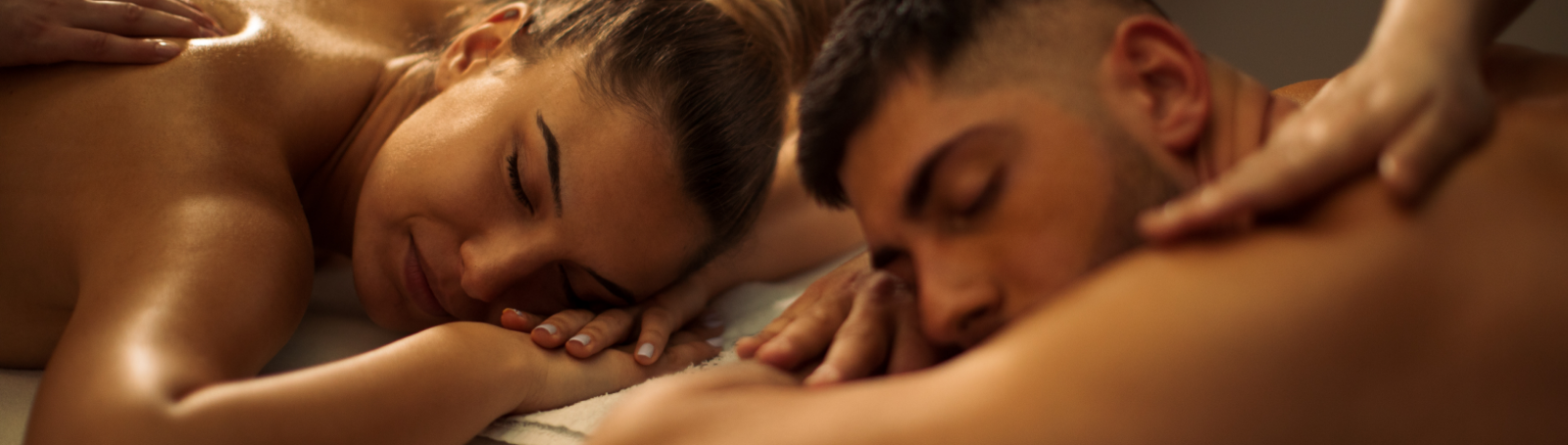
Couples massage workshops offer a unique opportunity to connect physically and emotionally with a partner while learning valuable massage skills. These workshops combine guided instruction, hands-on practice, and wellness education to strengthen relationships, promote relaxation, and enhance communication.
This guide explores the benefits of couples massage workshops and what participants can expect from the experience.
What Is a Couples Massage Workshop?
A couples massage workshop is a structured class designed for partners to learn basic massage techniques:
- Hands-on learning: Couples practice techniques on each other under professional guidance.
- Relaxation focus: Sessions incorporate breathing, stretching, and gentle pressure.
- Communication skills: Participants learn how to give and receive feedback effectively.
- Wellness education: Includes guidance on posture, pressure, and using massage for stress relief.
These workshops offer a fun, interactive, and educational experience for partners of all skill levels.
Benefits of Couples Massage Workshops
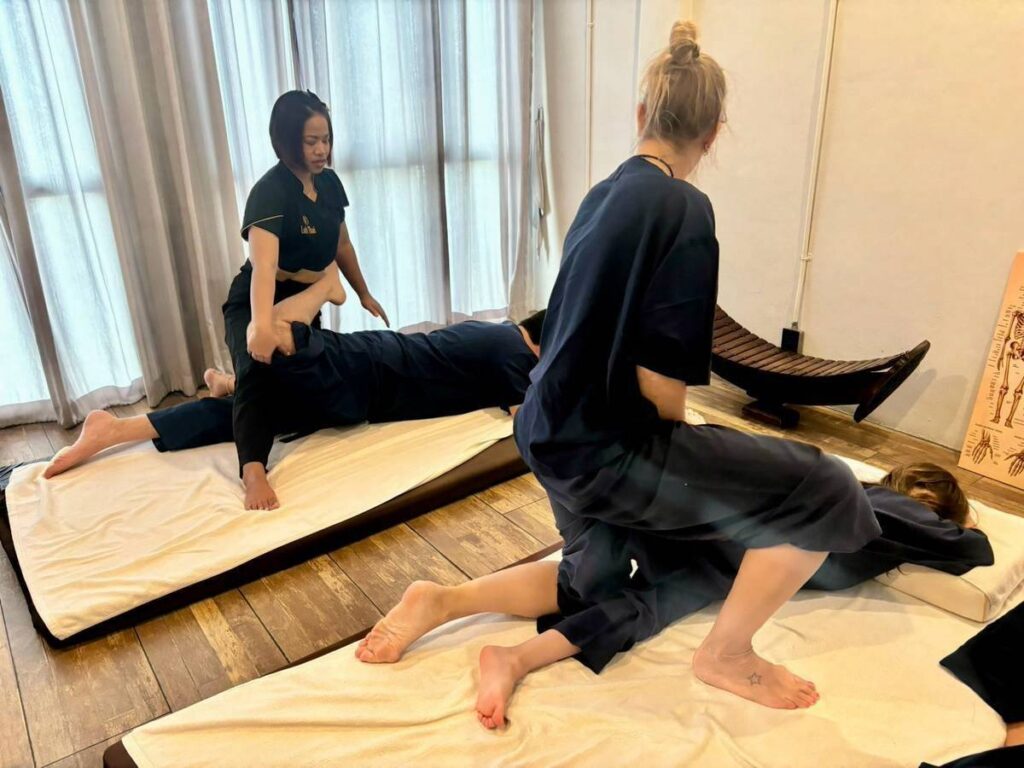
Participating in a couples massage workshop provides emotional, physical, and relational benefits:
- Strengthened intimacy: Touch and shared experiences enhance emotional bonds.
- Improved communication: Learning to give and receive massage builds trust and understanding.
- Stress relief: Relaxation techniques reduce tension and promote calmness.
- Physical wellness: Gentle stretches and massage movements improve circulation and relieve muscle tension.
- Shared learning experience: Partners create memories while developing new skills together.
Workshops allow couples to invest in both their relationship and personal well-being.
What to Expect During a Workshop
Couples massage workshops typically follow a structured timeline:
- Introduction: Overview of techniques, safety, and communication.
- Warm-up exercises: Simple stretches and breathing techniques to prepare the body.
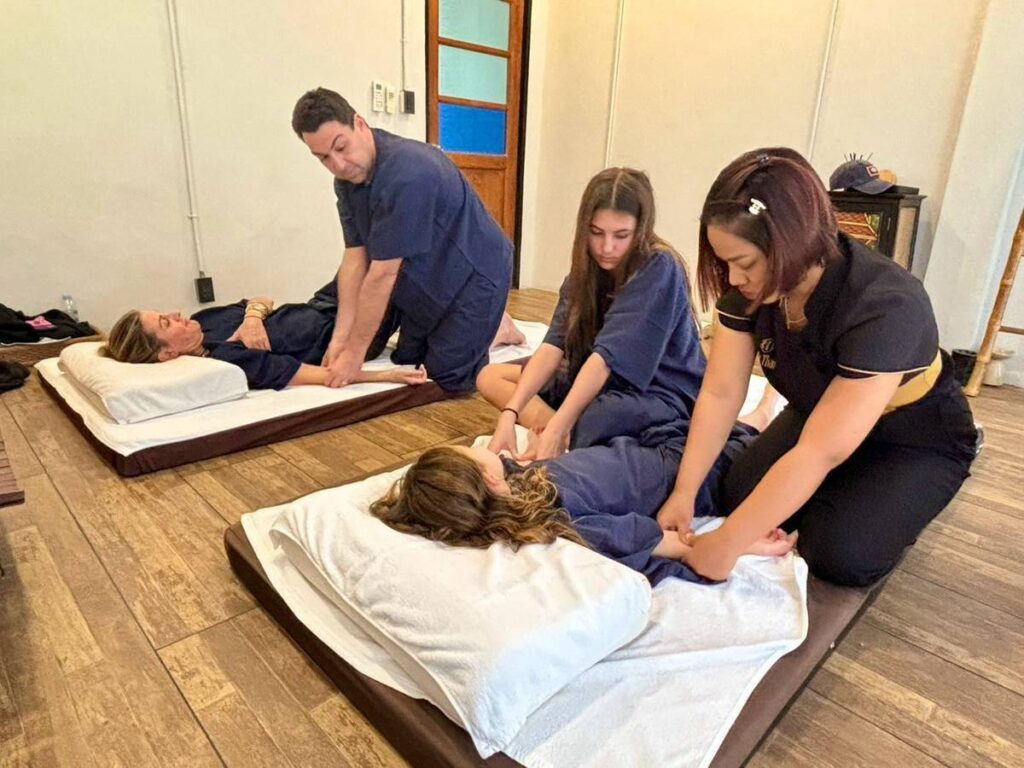
- Hands-on practice: Step-by-step instruction for basic massage techniques.
- Partner feedback: Guidance on pressure, comfort, and effectiveness.
- Integration: Practice flowing sequences and massage routines.
- Closing reflection: Discuss experiences, tips, and continued practice at home.
The interactive format ensures participants learn in a supportive, engaging environment.
Techniques Commonly Taught
Workshops usually focus on simple, effective massage techniques suitable for partners:
- Back and shoulder massage: Relieves tension in commonly stressed areas.
- Neck and scalp massage: Promotes relaxation and stress reduction.
- Hand and arm massage: Encourages gentle touch and connection.
- Foot massage: Stimulates circulation and provides deep relaxation.
- Basic Thai stretching movements: Enhance flexibility and comfort.
These techniques are safe, easy to learn, and enjoyable for both participants.
Preparing for a Workshop
To maximize the experience, participants should prepare:
- Wear comfortable clothing: Allows movement and stretching.
- Hydrate: Supports relaxation and comfort during the session.
- Open mindset: Be ready to give and receive feedback with patience.
- Arrive early: Time to settle in, review instructions, and ask questions.
- Follow hygiene practices: Ensure a clean environment for hands-on work.
Preparation helps couples fully engage and enjoy the workshop.
Continuing the Practice at Home
After the workshop, couples can integrate massage into daily routines:
- Schedule regular sessions: Even short 10–15 minute massages can enhance connection.
- Experiment with techniques: Explore stretches, pressure points, and sequences learned.
- Use mindful communication: Check in on comfort and preference during massage.
- Create a calming environment: Soft music, lighting, or aromatherapy can enhance relaxation.
Consistent practice strengthens both skills and emotional connection over time.
Choosing the Right Workshop
When selecting a couples massage workshop:
- Certified instructors: Ensure expertise in Thai massage or general wellness techniques.
- Small class size: Allows for personalized guidance and interaction.
- Hands-on focus: Prioritize workshops emphasizing practical learning over theory.
- Positive reviews: Seek feedback from past participants to gauge quality.
- Accessible location: Choose a convenient spa or wellness center for comfort and ease.
The right workshop ensures a meaningful and enjoyable learning experience.
Conclusion
Couples massage workshops provide a unique blend of wellness, connection, and education, helping partners relax, communicate, and deepen their relationship through the power of touch.
By learning simple massage techniques, practicing together, and continuing the skills at home, couples can enhance emotional intimacy, reduce stress, and promote holistic wellness, creating lasting benefits for both body and mind.